
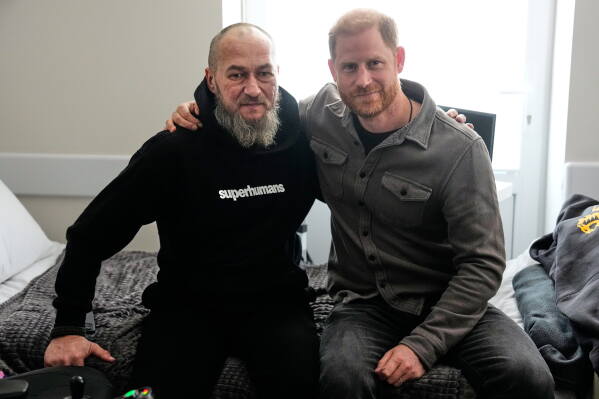
Prince Harry’s visit to a rehabilitation center in Lviv brought him face to face with a Ukrainian serviceman whose rescue had captured international attention. “I’ve seen your face in the news!” the Duke of Sussex told Kostiantyn Vlasenko, a soldier who survived severe injuries and was evacuated from the front by a heavy drone. Their conversation was brief, but it connected one remarkable rescue story with the wider effort to support Ukraine’s wounded veterans.
A Meeting at the Superhumans Center
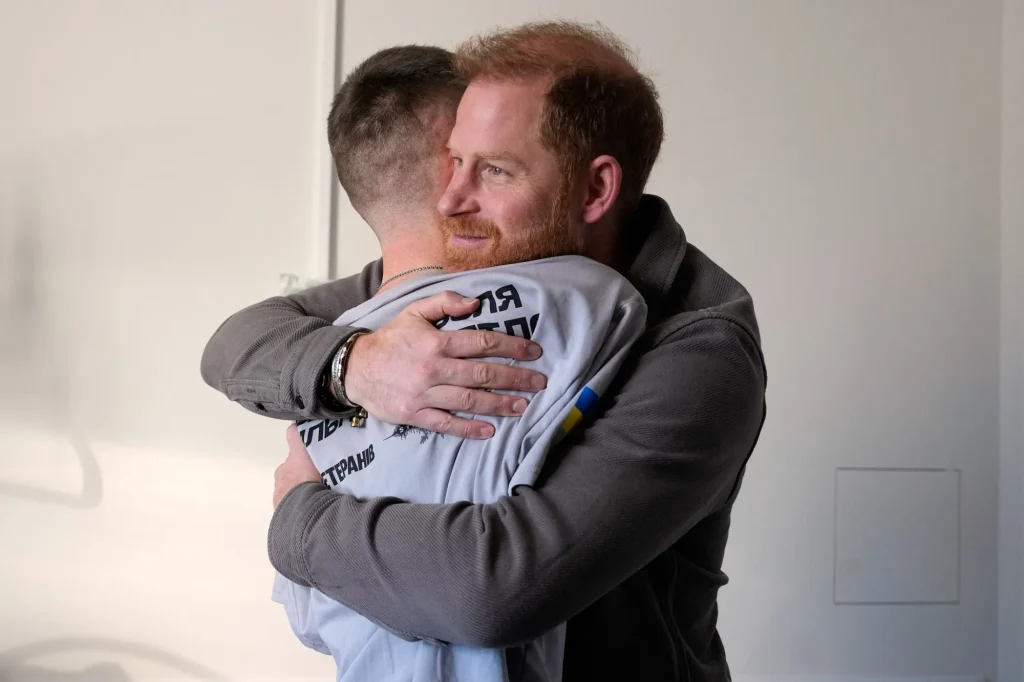
Harry met Vlasenko at the Superhumans rehabilitation center in Lviv during an unannounced visit to Ukraine in November. The center said the duke also met patients and members of its medical team. Vlasenko’s story, however, had already travelled far beyond the country: he had spent hundreds of days carrying out combat missions at his position before his injuries made evacuation necessary.
According to the center’s account, Harry was struck by how calmly Vlasenko spoke about what he had endured. The soldier described his time at the position and the drone evacuation without turning the meeting into a dramatic retelling. Harry told him that he had seen his story in the news and called him an example of Ukrainian strength and resilience. Ukrainska Pravda
The Rescue That Made Headlines
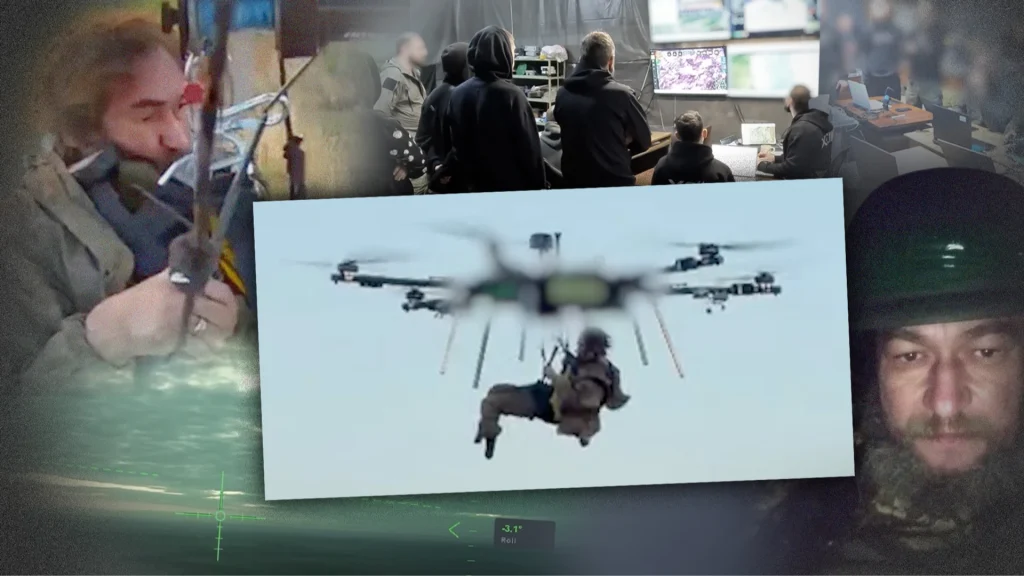
Vlasenko’s evacuation was reported as the first operation of its kind in Ukraine: a heavy aerial drone was used to carry a wounded soldier away from a frontline position. The rescue took place in October, after Vlasenko was seriously injured and could not leave the area on foot. Ukrainska Pravda reported that the aircraft carried him about 16 kilometers, with the flight lasting less than an hour and a half.
The operation showed how drones can be adapted for a different purpose in a battlefield where reaching a wounded person by ground may be difficult. In Vlasenko’s case, the drone made it possible to evacuate him from a position where he had remained for an extraordinary length of time. The rescue was a single operation, not a routine solution, but it drew attention to new ways of reaching people in dangerous, hard-to-access locations.
Ukraine’s President Volodymyr Zelensky awarded Vlasenko the title of Hero of Ukraine on October 30. The president’s office said the serviceman had carried out combat missions at his position for 491 days, nearly half of that time while seriously wounded and after losing both feet.
RELATED: The Shocking Tragedy That Left Prince Harry Numb For Decades
A Conversation Between Veterans
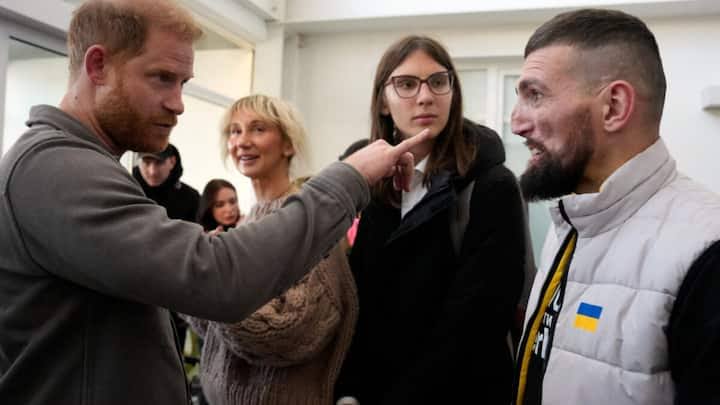
Harry’s meeting with Vlasenko took place during a wider visit focused on injured service members and veteran support. The Associated Press reported that the duke also met Ukrainian veterans preparing for the Invictus Games, the adaptive sports competition he founded for wounded, injured and sick service personnel and veterans. The next Games are scheduled for Birmingham in 2027, and Ukrainian athletes were taking part in selection trials.
Harry has spoken about the importance of continuing support after military service ends. During the visit, he said, “We’ve invested in them before they put the uniform on and we must invest with them once the uniform comes off.” The remark reflects a central idea behind the Invictus Games: that recovery and rehabilitation continue long after a person leaves the battlefield.
The duke also has personal experience of military service. He spent a decade in the British Army and served in Afghanistan. That background does not make his experience identical to that of Ukrainian soldiers fighting in a full-scale war, but it helps explain why his work with wounded veterans has remained a major focus of his public life.
Recovery Continues After the Rescue
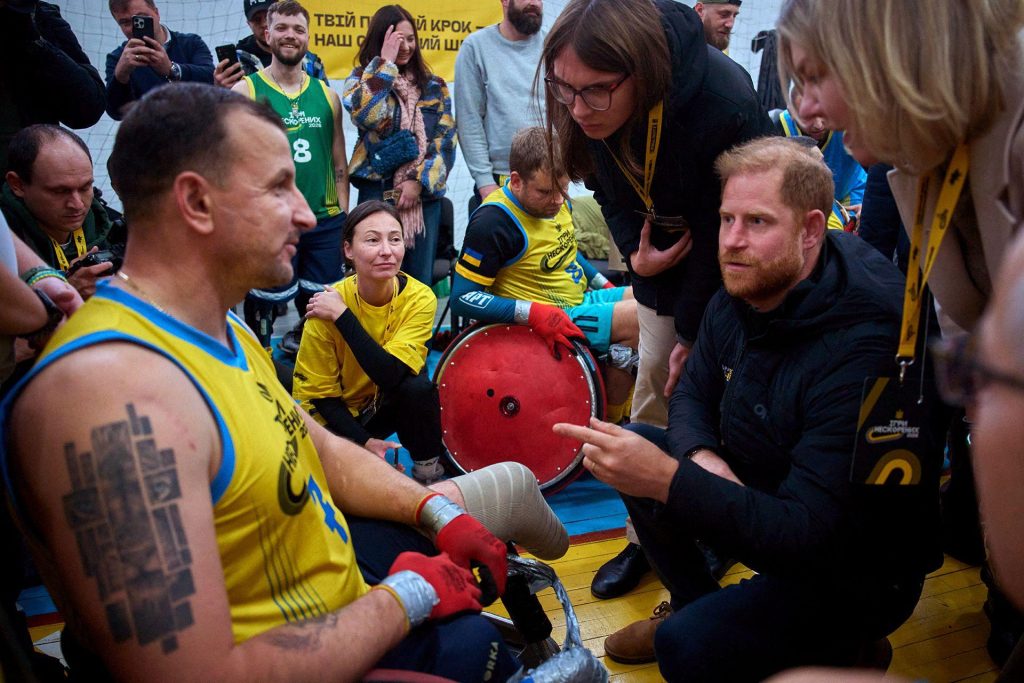
For Vlasenko, being brought away from the front was only the beginning of another difficult stage. His injuries led to the amputation of both feet, and he was taken to hospital after the drone flight. In November, Ukrainska Pravda reported that he had taken his first steps on prosthetic legs. The milestone does not erase the physical and emotional demands of rehabilitation, but it marks visible progress after an ordeal that had kept him in the news.
At Superhumans, Harry met people at different points in their recovery, including veterans learning to use prosthetic limbs. The center specializes in rehabilitation for people affected by war injuries. The conversations there put individual experiences alongside the broader challenge facing Ukraine: helping injured service members regain independence and find a place in civilian life, while also supporting those who remain connected to military service.
More Than a Headline
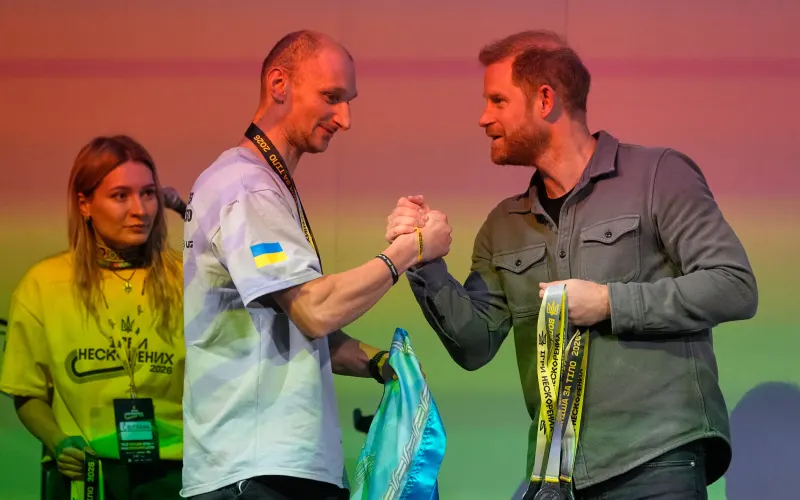
The line that gave the meeting its headline was spontaneous and direct. Harry recognized Vlasenko from coverage of the drone rescue, then listened as the soldier described what had happened. Their exchange did not change the facts of the rescue or the long recovery ahead. It did, however, bring personal attention to a serviceman whose story had first reached the public through images and reports from the battlefield.
Harry’s visit also drew attention to the people and programs supporting wounded Ukrainians, from rehabilitation teams to adaptive sports. Vlasenko’s journey—from a frontline position to a pioneering evacuation and then to his first steps with prostheses—remains his own. The meeting in Lviv added one brief moment to that story: a visitor who recognized his face, and a soldier whose experience had become known far beyond the place where it began.
RELATED: The Royal Family’s Most Surprisingly Relatable Moments