
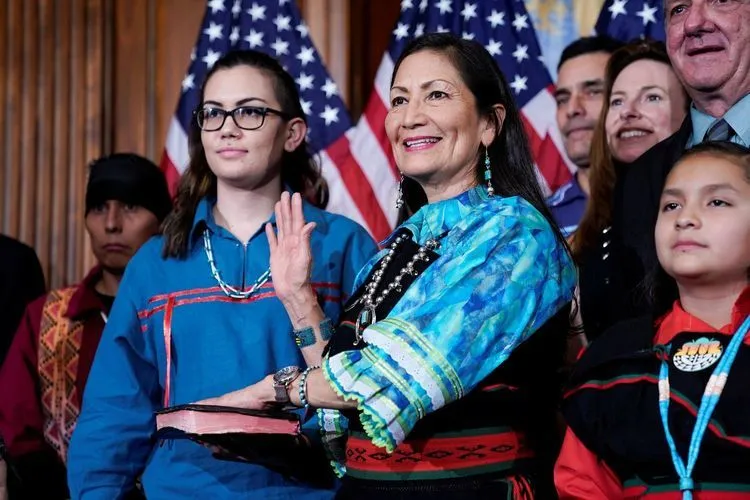
A Historic Election in New Mexico
Deb Haaland has won New Mexico’s governor’s race, becoming the first Native American woman elected to lead a U.S. state. The Democrat defeated Republican Greggory D. Hull, a former mayor of Rio Rancho, in a victory that brings a new milestone in representation—and an experienced public servant—to the state’s highest office. Haaland will take office in January, succeeding term-limited Governor Michelle Lujan Grisham.
At her victory celebration, Haaland connected the moment to the continued presence of Native people in the country. “I stand before you as the first Native American woman elected governor in U.S. history,” she told supporters. Her election is a milestone within the structure of U.S. state government. It does not mark the beginning of Native women’s leadership: Native nations have their own governments and long-standing traditions of leadership. Rather, it marks the first time a Native American woman has been elected to lead a U.S. state.
A Career of Firsts
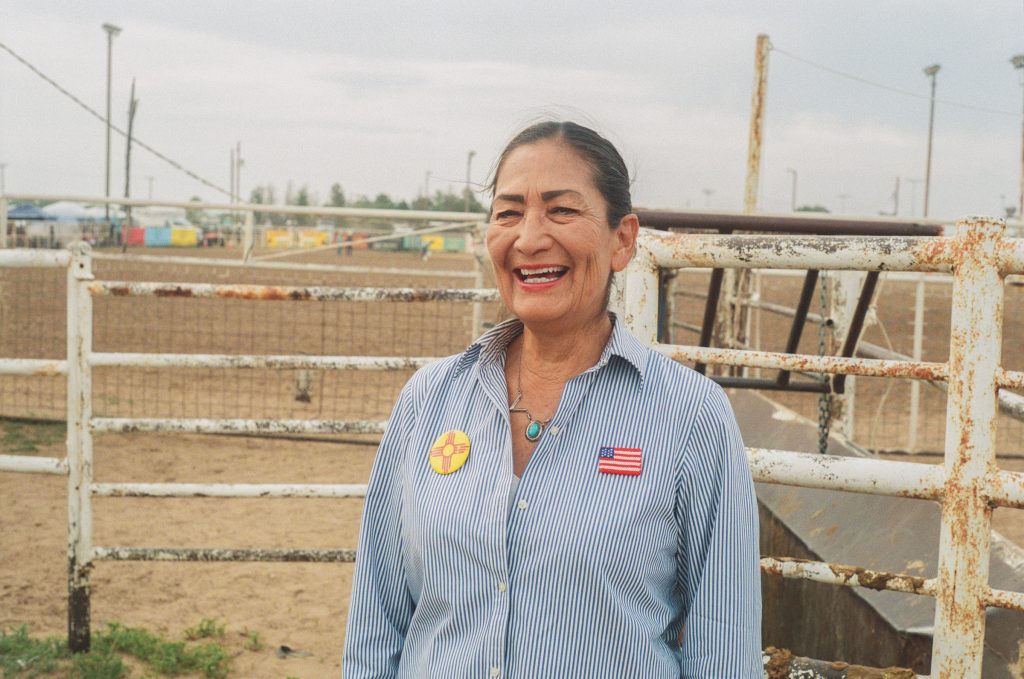
Haaland’s victory follows several earlier milestones. In 2018, she and Sharice Davids became the first two Native American women elected to Congress. Haaland represented New Mexico in the U.S. House until 2021, when she resigned to become secretary of the interior under President Joe Biden. She was the first Native American to lead the Department of the Interior and the first Native American Cabinet secretary.
The Center for American Women and Politics at Rutgers University confirmed that Haaland will be the first Native American woman to serve as governor. New Mexico also made history with its statewide ticket: Haaland’s running mate, Stephanie Garcia Richard, will become lieutenant governor, creating the first all-women-of-color gubernatorial ticket in the country, according to the center.
RELATED: Juliana Stratton’s Senate Victory Makes History for Black Women
Roots in New Mexico
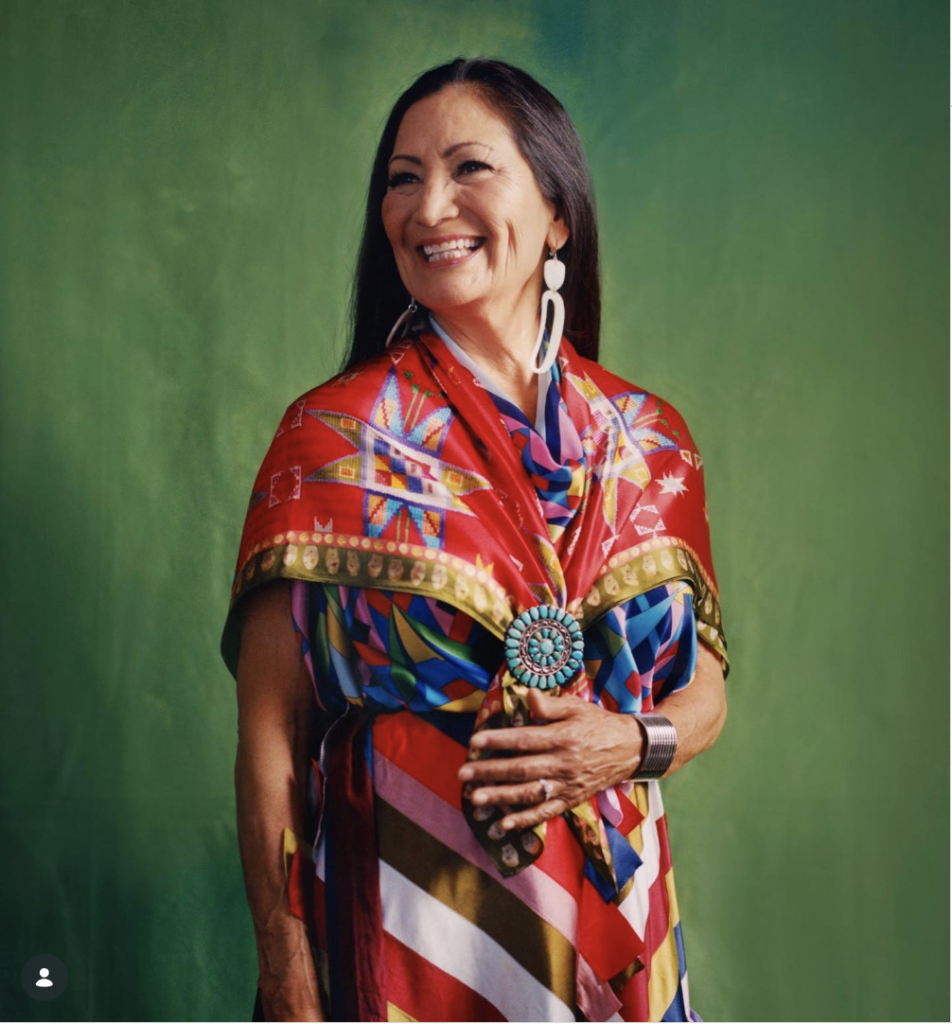
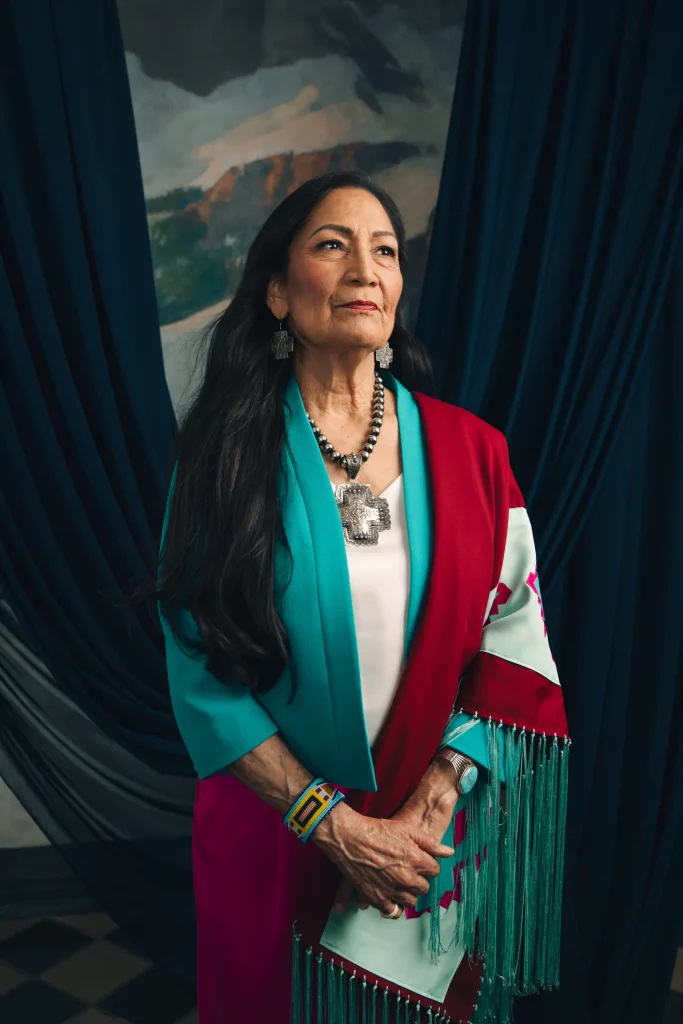
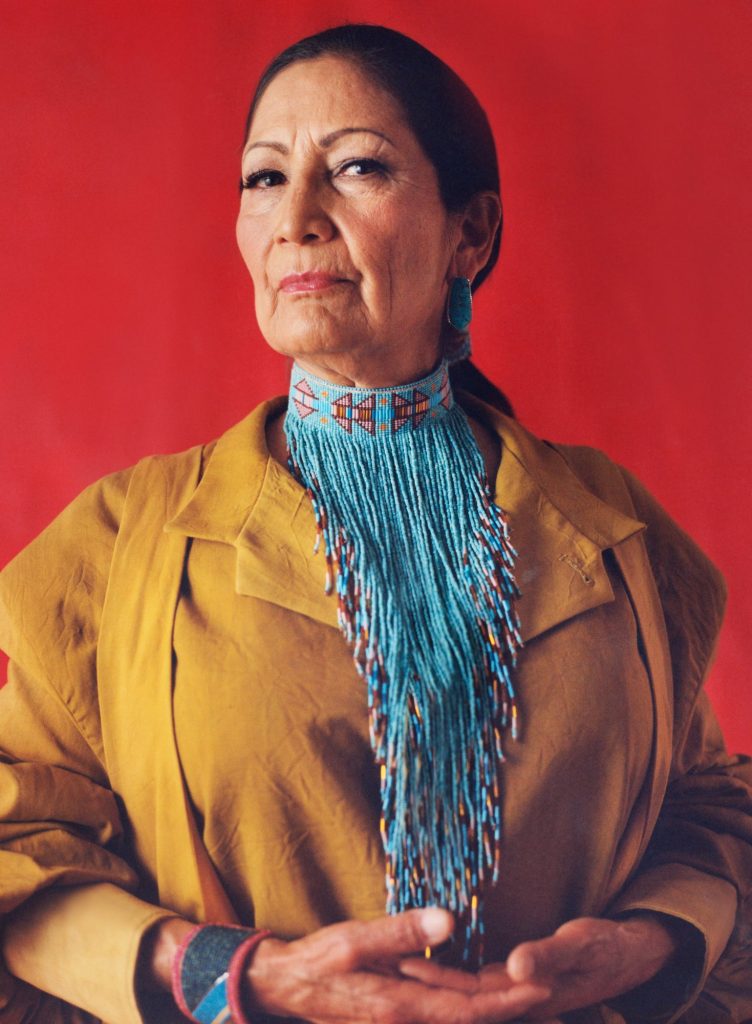
Haaland is a citizen of the Pueblo of Laguna and a lifelong New Mexican. She grew up in a military family, attended 13 public schools and graduated from high school in Albuquerque. She later earned a bachelor’s degree and a law degree from the University of New Mexico. Before entering Congress, she worked in tribal administration and chaired the New Mexico Democratic Party.
Her family and community have been central to how she describes her background. During her confirmation process to become interior secretary, Haaland recalled learning about her culture from her grandmother and about the importance of water and protecting natural resources from her grandfather. She has also spoken about the challenges she faced as a single mother, including relying on food assistance and struggling to pay for college.
From Interior Secretary to Governor
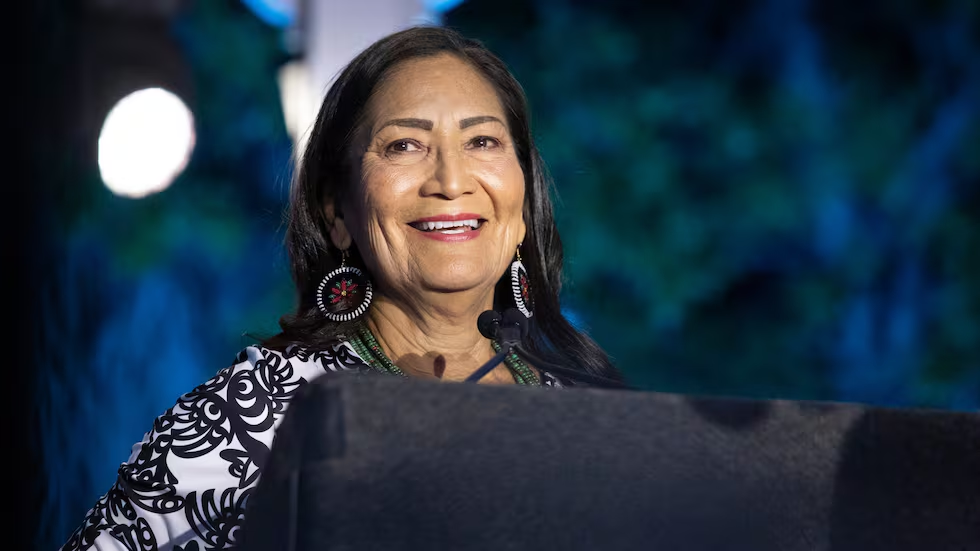
As interior secretary, Haaland led a department responsible for public lands, natural resources and aspects of the federal government’s relationship with tribal nations. The role gave her experience managing a large federal agency and placed her at the center of decisions that affect communities and lands across the country. Her move to the governor’s office will bring a different set of responsibilities, focused on New Mexico’s state government and the people who live there.
As governor, Haaland will lead the state’s executive branch, work with the legislature and make decisions on issues affecting residents across New Mexico. Her transition team has begun recruiting staff, and Haaland has said she plans to consult with outgoing Governor Grisham as the new administration takes shape. The transition will give her an early opportunity to set priorities and assemble a team before taking office in January.
The Priorities Ahead
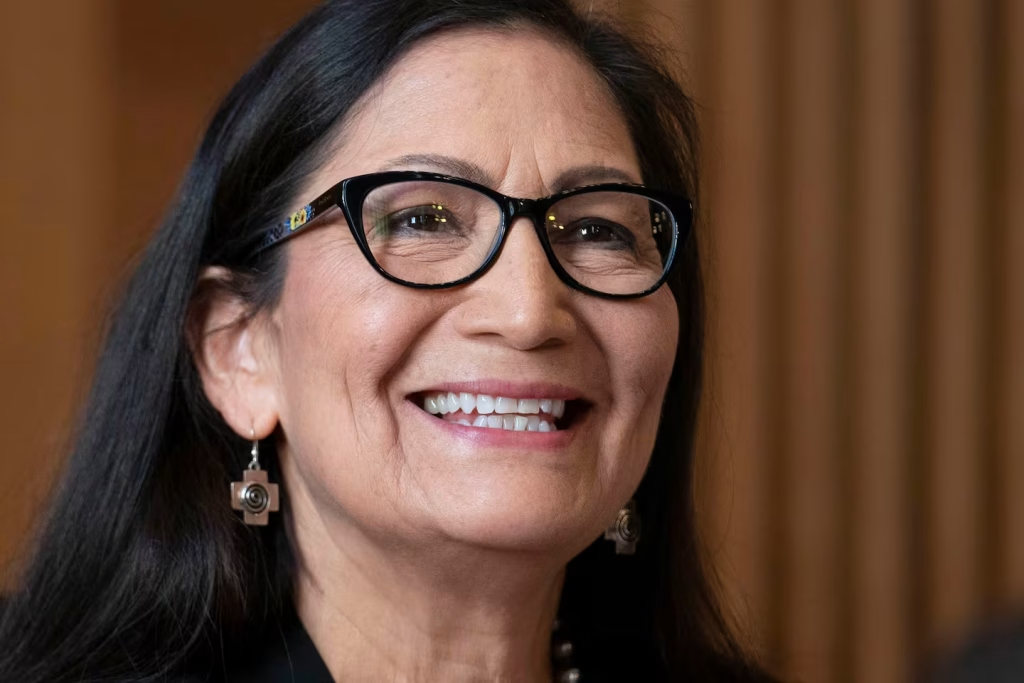
During the campaign, Haaland emphasized affordability and access to health care, and pledged to focus on education, public safety and the state’s child welfare system. The morning after her victory, she spoke about the everyday pressure many families face in trying to cover housing and grocery costs. She also reiterated her support for a temporary pause on new large-scale data centers while state leaders consider rules for the industry. These are priorities she has identified; putting them into practice will involve working with the legislature and other state leaders.
The governor’s office will test how Haaland’s experience in Congress and at the Interior Department translates to state-level governing. Her responsibilities will include setting an agenda for state agencies and working with lawmakers on policy and the budget. The priorities she has outlined span issues that affect daily life—from education and health care to household costs—while the details of how her administration will address them will emerge during the transition and legislative process.
A New Chapter in Representation
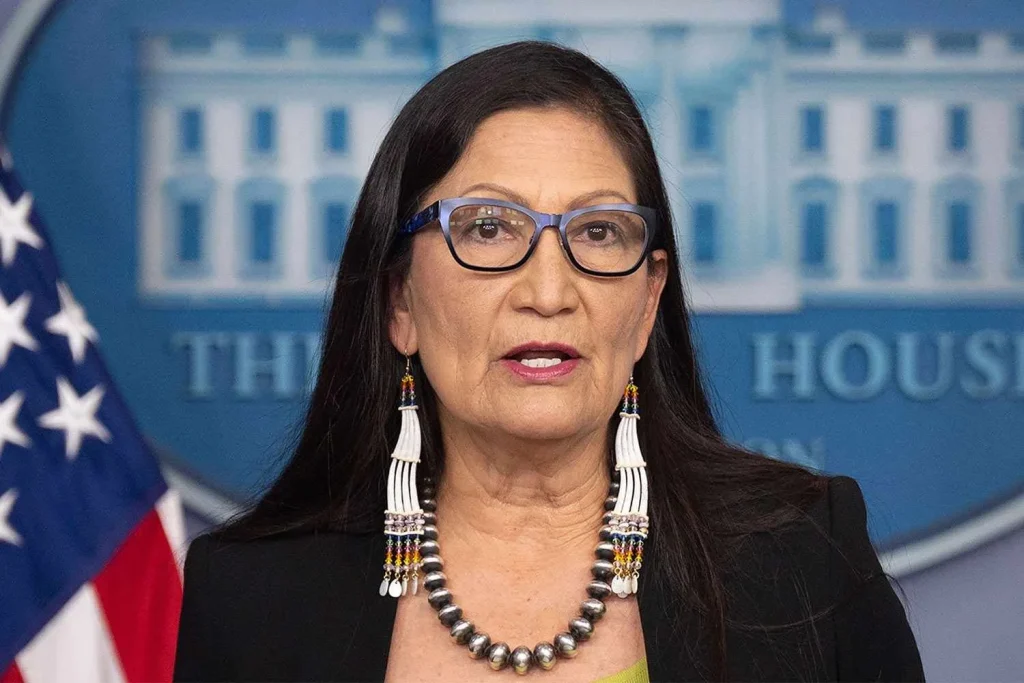
Haaland’s election makes a barrier visible—and changes who will hold one of the country’s top state offices. The milestone can inspire Native children and women who have rarely seen someone with a similar background in that role. But the work ahead is practical as well as historic: governing New Mexico, responding to residents’ needs and turning campaign commitments into decisions.
Her victory is therefore both a first and a beginning. It adds a new chapter to Haaland’s career, creates a precedent for future candidates and places a Native American woman at the head of a state government for the first time. The achievement belongs within a wider history of Native leadership, while the success of her administration will be measured by the choices and results that follow.
RELATED: The Secret Controversy That Still Haunts Bill and Hillary Clinton